If you have started looking in Catalina Foothills, you have probably already noticed that one community can feel very different from the next. A home with sweeping mountain views, a golf-oriented setting, or a large custom lot may all sit within the same broader area, but daily life can change quite a bit depending on where you land. This guide will help you sort through the main differences so you can choose a Catalina Foothills community that fits how you actually want to live. Let’s dive in.
Why community choice matters here
Catalina Foothills is an established unincorporated Pima County community, not a one-style suburb with a single development pattern. The area had a 2020 population of 52,401, a 75.6% owner-occupied housing rate in 2019-2023, and a median owner-occupied home value of $604,100, which points to a mature residential market with a wide range of housing experiences.
That matters because your choice is not just about price or square footage. In the Foothills, elevation, lot shape, access routes, architectural rules, and neighborhood structure can all shape your day-to-day routine. The right fit often comes from understanding those details early.
Start with how you want to live
Before you compare communities, think about what you want your typical day to feel like. In Catalina Foothills, the best match often comes down to whether you care most about views, architectural character, lot size, amenities, convenience, or lower-maintenance living.
A good first checklist includes:
- How important are mountain or valley views?
- Do you want a larger lot or easier upkeep?
- Are you comfortable with HOA rules and design review?
- Do you want club amenities like golf, tennis, fitness, or dining?
- How often will you use River Road, Sunrise Drive, Campbell Avenue, or Craycroft Road?
- Would you prefer historic desert character or a newer design-forward setting?
Understand the Foothills terrain
Elevation affects daily life
The Catalina Foothills special-area policy covers land north of East River Road, west of Sabino Creek, south of Coronado National Forest, and east of North Oracle Road and North Northern Avenue. County planning also emphasizes scenic corridors, washes, wildlife habitat, and protected viewsheds.
In practical terms, topography matters here more than in flatter parts of the Tucson area. Hilltops, valleys, and washes can influence privacy, views, drainage, driveway design, and even how easy it feels to come and go. A higher or more rugged lot may offer stronger views and a deeper desert setting, but it may also mean less flat yard space and more complex access.
Views often come with tradeoffs
Many buyers are drawn to the Foothills for exactly this reason. The setting can be dramatic, and careful siting has long been part of the area’s planning and design character.
Still, a great view is only one part of the equation. It helps to weigh the view against maintenance needs, outdoor usability, and how the home sits on the land. This is one of the areas where a design-aware local guide can be especially helpful.
Compare HOA and design rules carefully
There is no single Foothills rulebook
One of the biggest surprises for buyers is that Catalina Foothills works through a patchwork of associations, CC&Rs, and county policies. Some communities have active architectural review, while others may feel more flexible or simply operate under a different structure.
That means two homes that seem similar online may come with very different rules for exterior changes, landscaping, additions, or remodeling. If you are planning to update a home, add outdoor features, or simply want fewer restrictions, you should compare documents early instead of treating them as a last-minute detail.
Design review can vary a lot
Catalina Foothills Estates Areas 1 through 6 have CC&Rs and an Architectural Review Committee. La Paloma has a master association, ten sub-associations, and a design review committee. Coronado Foothills Estates has an HOA with dues, committees, and neighborhood services, while Cimarron Foothills Estates also has an HOA and architecture oversight.
For you, the main takeaway is simple: remodeling flexibility and review intensity can vary materially from one pocket to the next. In the Foothills, that difference can shape both lifestyle and long-term planning.
Key Catalina Foothills communities to know
Catalina Foothills Estates and CFA areas
If you are drawn to older adobe, Southwestern character, and a more historically grounded setting, this is a natural place to start. Catalina Foothills Estates began in the 1920s and was shaped by large parcels, low-density planning, retained natural landscape, and an architectural legacy tied to Josias Joesler and Spanish Colonial Revival influences.
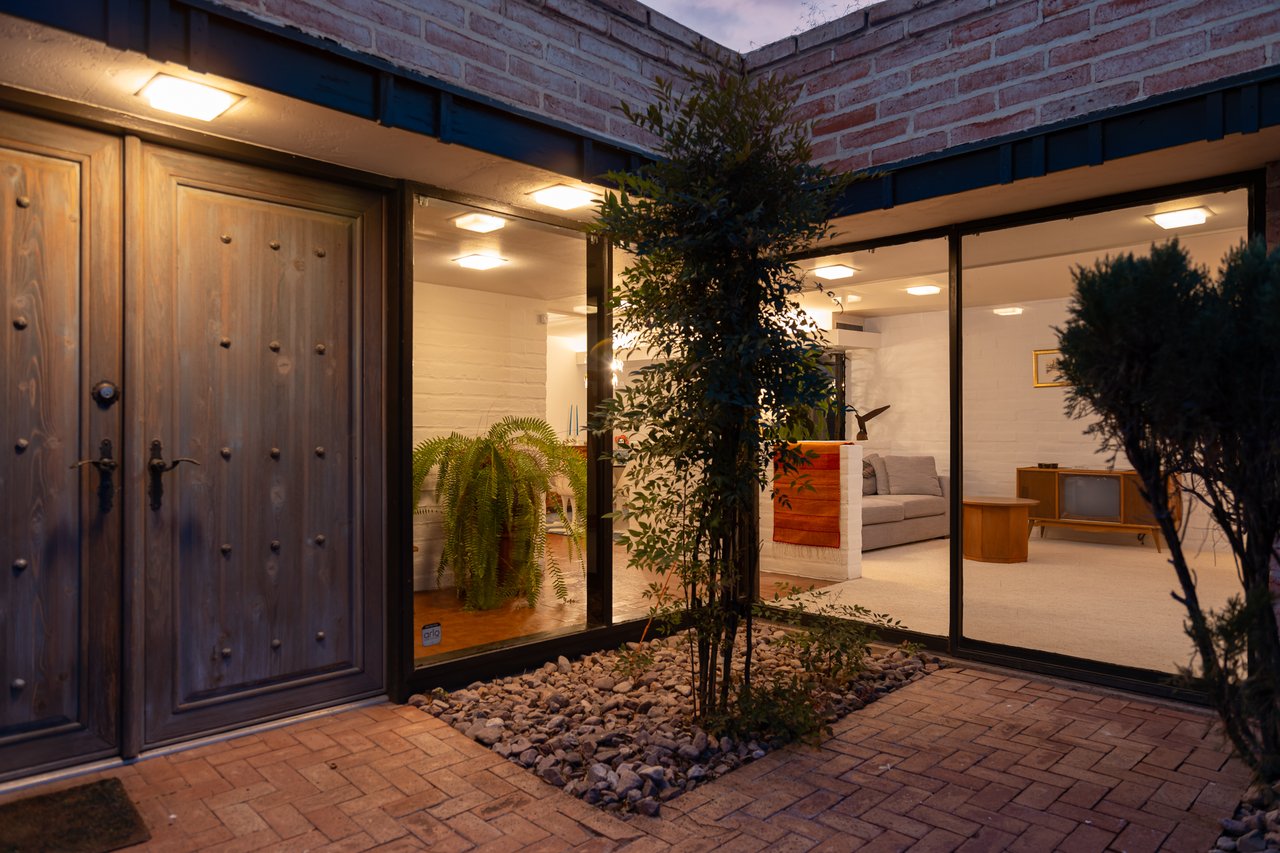
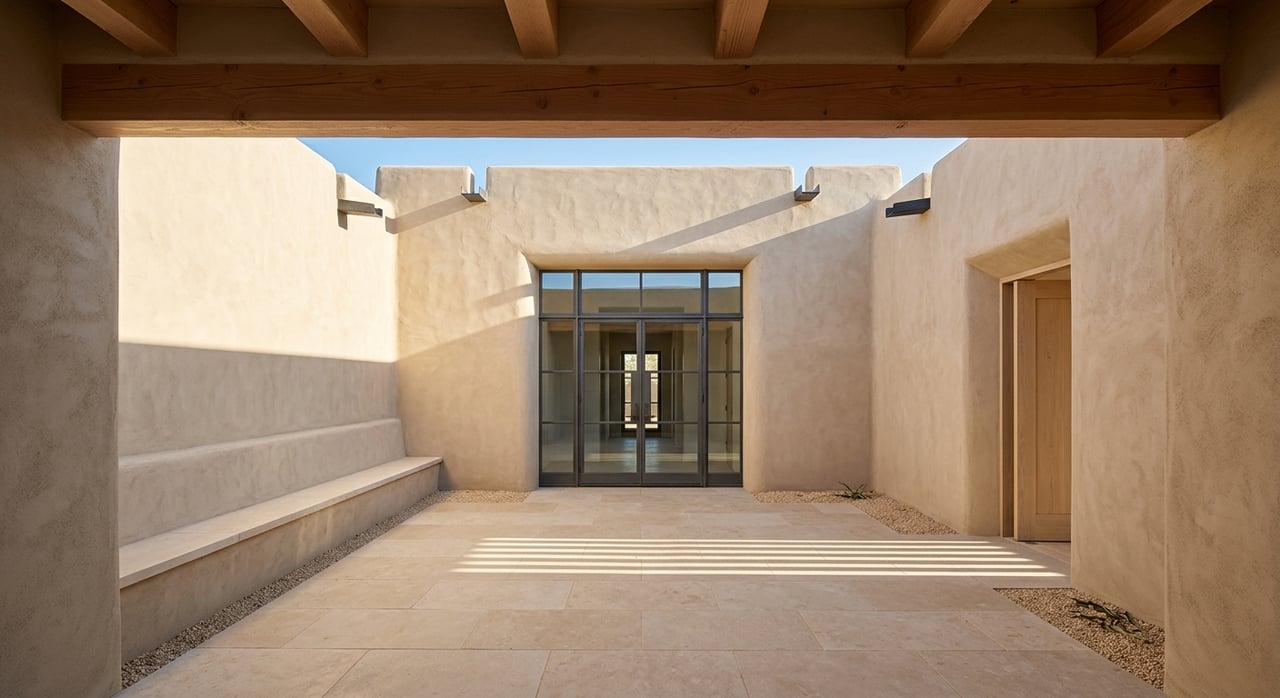
Design guidelines in these areas emphasize masonry, stucco, native rock, traditional adobe, muted earth tones, and low-profile rooflines. These communities tend to appeal to buyers who value desert preservation, architectural continuity, privacy, and a strong sense of place. They are often the best fit if you want the classic Foothills identity rather than a newer planned environment.
Coronado Foothills Estates
Coronado Foothills Estates can make sense if you want an established neighborhood with a visible association structure. The community includes 500 lots and is bordered by the Catalina Mountains, Skyline Drive, Swan Road, and Alvernon Way.
Its HOA highlights practical neighborhood services and community programming, including seasonal cleanup services, buffelgrass removal, dog waste stations, and neighborhood watch. Buyers who want a strong neighborhood framework and an established foothills setting often find this type of environment appealing.
Cimarron Foothills Estates
Cimarron Foothills Estates sits near Sunrise and Craycroft in the northeast foothills. The neighborhood includes 412 custom homes on large, spacious lots, often around an acre.
This pocket may be a strong match if you want more land, custom-home variety, and northeast foothills access without focusing mainly on historic architecture. For some buyers, that balance feels especially practical because it combines space with an established residential setting.
La Paloma, Ventana Canyon, and Skyline Country Club
These communities are useful to compare if amenities are a major part of your decision. La Paloma is a master-planned community with 856 homes across ten sub-associations, while Ventana Canyon and Skyline Country Club are closely tied to club-style living in dramatic foothills settings.
These pockets are known for amenity-driven lifestyles that can include golf, racquet sports, pools, spa and fitness facilities, dining, and lock-and-leave convenience. If you want your neighborhood choice to support a resort-like routine, these are some of the clearest examples in the Foothills.
Newer and lower-maintenance options
The newer side of the Foothills market tends to be smaller and more curated, not a large tract-home story. Research points to examples such as Endeavor, a 55-plus active adult community built around convenience, wellness, transportation, and low-maintenance living, along with smaller design-led enclaves in the broader Foothills market.
If you prefer newer construction or a more contemporary feel, expect to look at selective opportunities rather than large volumes of similar product. In this segment, HOA structure, design standards, and maintenance expectations deserve especially close review.
Think about access, not just address
Corridors shape convenience
In Catalina Foothills, convenience often depends on which corridor you use most. Communities centered around River Road, Sunrise Drive, Campbell Avenue, and Craycroft Road can offer different access patterns for errands, commuting, and daily routines.
That is why two homes with the same price point can function very differently in real life. If you want simpler access to the places you visit most, map your common drives before you choose a community.
School locations can affect search patterns
For some buyers, school access is part of the search. Catalina Foothills School District reports that every school in the district has an A rating, and its campuses and offices are spread through the Foothills along key corridors such as River Road and Sunrise Drive.
Even if schools are not your top priority, campus locations can still affect traffic patterns and your preferred area. It is worth thinking through how that interacts with your ideal routine.
Do not overlook wash and fire factors
Pima County says the Bighorn Fire increased flash-flood and mudflow risk in the foothills of the Catalina Mountains, especially near washes downstream of burn areas. The county recommends MyAlerts enrollment and flood insurance, and its planning language also emphasizes protecting washes and waterways.
If you are considering a hillside lot or a property near a wash, treat drainage and flood exposure as a site-specific issue. In the Foothills, those details are not minor. They are part of making a smart, informed choice about the property and the community around it.
A simple way to narrow your options
If you are feeling overwhelmed, this framework can help:
- Choose Catalina Foothills Estates or original CFA areas if you want historic desert character, larger parcels, and stronger architectural continuity.
- Compare Coronado Foothills Estates if you want an established neighborhood with active association services and a strong community structure.
- Look at Cimarron Foothills Estates if you want larger lots, custom homes, and northeast foothills access.
- Study La Paloma, Ventana Canyon, and Skyline Country Club if you want golf, racquets, fitness, dining, or a lock-and-leave lifestyle.
- Explore newer curated options if you want lower-maintenance living or contemporary design, while paying close attention to HOA and design-review documents.
The best community is the one that fits your habits
In Catalina Foothills, the right community is rarely the one with the most impressive brochure description. It is the one where the lot, rules, views, access pattern, and housing style support the way you want to live every day.
That is especially true in a market where architecture, land, and neighborhood context matter as much as price. If you want help comparing Foothills communities through the lens of design, setting, and long-term fit, Hazelbaker & Ranek can help you sort through the options with a local, thoughtful approach.
FAQs
What makes Catalina Foothills communities feel so different from each other?
- Catalina Foothills includes a mix of older estate areas, HOA-governed neighborhoods, club-oriented communities, and smaller newer enclaves, so lot size, terrain, rules, amenities, and access can vary quite a bit.
Which Catalina Foothills communities are best for historic desert character?
- Catalina Foothills Estates and the original CFA areas are the strongest fit if you want older Southwestern architecture, larger parcels, desert preservation, and a more historically grounded setting.
Which Catalina Foothills communities are best for golf and amenities?
- La Paloma, Ventana Canyon, and Skyline Country Club are the clearest examples of amenity-driven living in the Foothills, with golf and other club-oriented features shaping the lifestyle.
How important are HOA rules in Catalina Foothills?
- HOA rules can be very important because design review, remodeling flexibility, dues, and exterior standards differ from one neighborhood to another.
What should buyers know about washes and flood risk in Catalina Foothills?
- Pima County says the Bighorn Fire increased flash-flood and mudflow risk in parts of the foothills, so buyers should evaluate drainage and wash proximity as property-specific factors.
Are newer homes common in Catalina Foothills?
- Newer options exist, but they tend to be smaller, curated communities or lifestyle-focused projects rather than large-scale tract developments.