If you are choosing between Oro Valley and North Tucson, you are really choosing between two different ways of living on Tucson’s north side. One offers a more uniform suburban pattern with integrated trails and newer housing, while the other gives you a broader mix of older neighborhoods, closer-in amenities, and stronger urban connections. If you want to match your home search to your daily routine, design preferences, and long-term goals, this comparison can help. Let’s dive in.
Oro Valley and North Tucson differ at the start
Before you compare home styles or commute times, it helps to define the places themselves. Oro Valley is an incorporated town in northern Pima County, located just north of Tucson and set between the Catalina and Tortolita mountain ranges.
North Tucson is different. It is not one official town or municipality, but a catch-all term people use for several north-side areas and corridors, including places such as Catalina Foothills, Casas Adobes, and older residential and commercial areas farther south on the north side.
That distinction matters when you shop for a home. Oro Valley often feels more consistent from one area to the next, while North Tucson tends to feel more varied because it includes several different neighborhood types and development patterns.
Housing style feels different in each area
If housing character is high on your list, this may be the biggest difference. Oro Valley’s housing stock is largely single-family detached, with 72.7% of homes in that category, and the town has a high owner-occupancy rate of 75.8%.
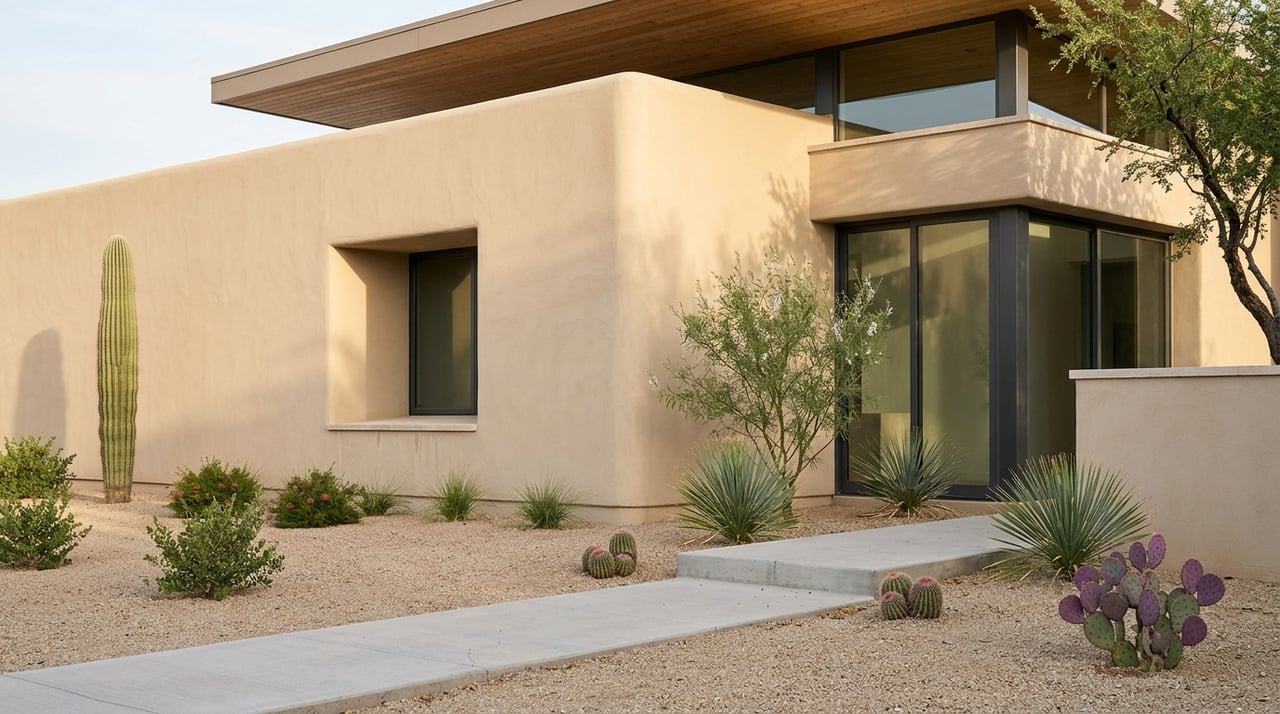
Its housing also trends newer by Tucson-area standards. Oro Valley’s housing assessment reports that 79% of the housing stock was built between 1980 and 2010, which helps explain why many parts of town feel more visually consistent in age, scale, and layout.
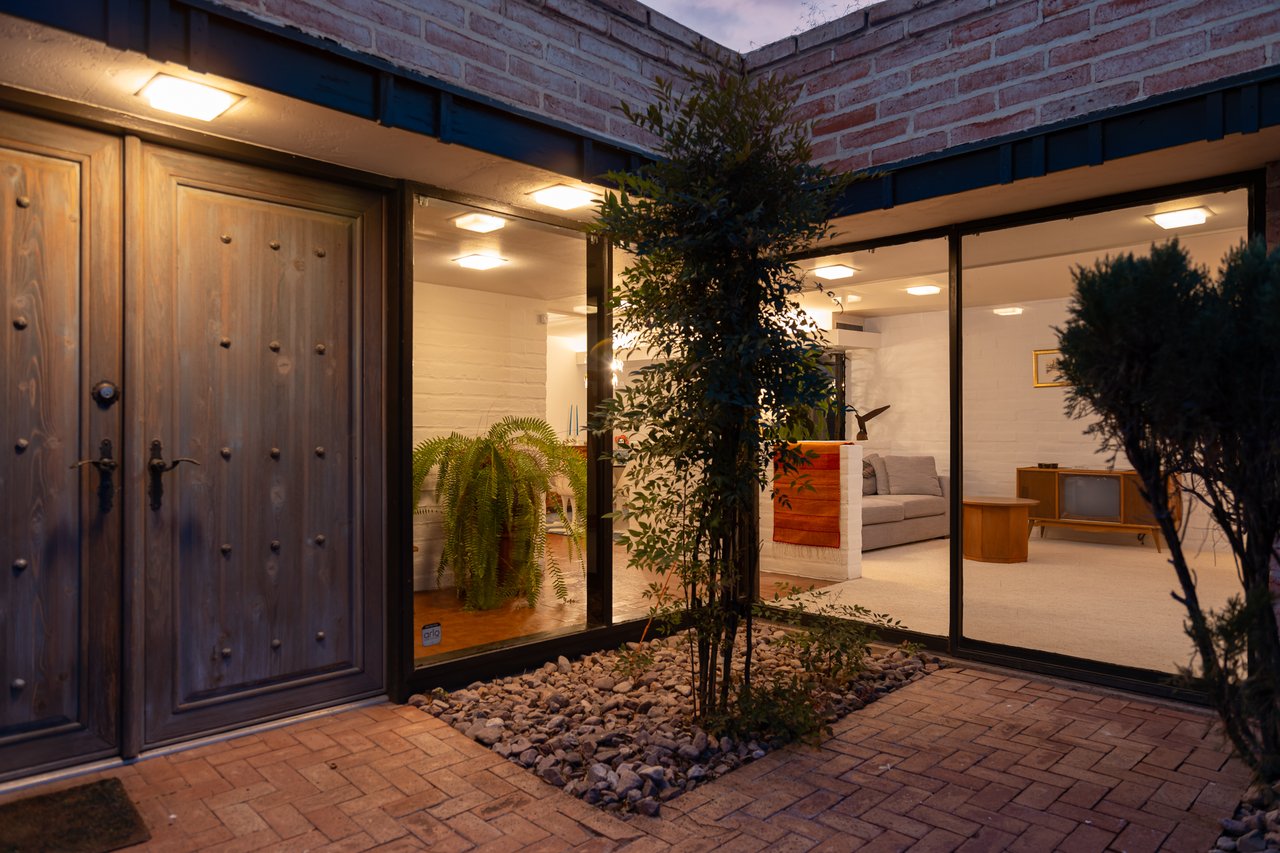
North Tucson usually offers a broader architectural mix. City neighborhood profiles note that some north-side areas were planned and built largely in the 1950s, and Tucson’s historic design guidance points to ranch, modern, and Spanish Revival influences across local neighborhoods.
For many buyers, this creates a clear fork in the road. If you want a more predictable suburban housing pattern, Oro Valley may feel easier to narrow down. If you enjoy older homes, midcentury texture, or a wider range of architectural styles, North Tucson may offer more to explore.
Ownership patterns shape the feel
Housing tenure can influence how an area feels from block to block. Oro Valley has a 76.4% owner-occupied rate, while Tucson overall sits at 51.8%, which helps explain why the Tucson side often feels more mixed in housing type and occupancy.
Home values also reflect that difference in broad terms. Census data shows a median owner-occupied home value of $475,700 in Oro Valley compared with $266,200 in Tucson overall.
This is not a direct North Tucson figure, so it should be used carefully. Still, it gives useful context if you are weighing a more uniform ownership-heavy town against a broader city setting with more variation in housing stock and tenure.
Oro Valley stands out for integrated trails
If outdoor access is part of your daily routine, Oro Valley has a distinct advantage in how its trail system is woven into the community. The town manages about 30 miles of trails within town limits, along with shared-use paths on corridors such as Lambert Lane, Naranja Drive, La Cañada Drive, First Avenue, and Tangerine Road.
Its park system also gives you multiple built-in recreation anchors. These include Honey Bee Canyon, Naranja Park, Riverfront Park, James D. Kriegh Park, and the Community and Recreation Center.
Catalina State Park adds another layer. Located at the base of the Santa Catalina Mountains, it provides access to miles of trails leading into Coronado National Forest.
In day-to-day terms, Oro Valley often feels trail-oriented from within the town itself. If you want your neighborhood and outdoor routine to connect more seamlessly, that can be a meaningful benefit.
North Tucson offers trailhead access and city connections
North Tucson also offers strong outdoor access, but the pattern is different. Instead of a town-wide trail identity, the north side often works through specific trailheads, river paths, and regional connections.
Pima County trailheads such as Pima Canyon, Finger Rock, and Ventana Canyon provide access into Coronado National Forest. The Rillito River Park stretches from Interstate 10 to Craycroft along both banks of the Rillito, creating a long recreational corridor.
The Chuck Huckelberry Loop adds even more flexibility. It extends through Oro Valley, Marana, Tucson, and South Tucson, linking parks, trailheads, bus and bike routes, workplaces, restaurants, shopping areas, hotels, and schools.
If your ideal routine includes a mix of outdoor time and access to central activity corridors, North Tucson may feel more connected in that broader regional sense. The experience is often less about one unified town system and more about choosing the access points that fit your lifestyle.
Commute patterns can shift your decision
A home can look perfect on paper and still feel wrong if the daily drive wears you down. In broad terms, Tucson city has a mean travel time to work of 21.9 minutes, compared with 26.7 minutes in Oro Valley.
That is not a North Tucson-only statistic, but it does support a common real-world pattern. Living closer in on the north side can reduce how much time you spend crossing the metro area, especially if your routine ties you to central Tucson destinations.
Oro Valley’s transportation pattern is more commuter-oriented. The town partners with Sun Tran and the Regional Transportation Authority, with Route 401 connecting Catalina and Oracle/Ina and express routes 102X, 107X, and 203X serving commuters. Major travel corridors include Oracle Road, La Cañada Drive, and Tangerine Road.
North Tucson tends to sit closer to the city’s denser transit and activity network. Sun Link connects Mercado, Downtown, Fourth Avenue, Main Gate Square, and the University of Arizona on a 3.9-mile route with 23 stops, while north-side bus corridors and established commercial areas can make everyday trips feel more embedded in the city.
Everyday amenities feel more planned in Oro Valley
Some buyers want their errands, recreation, and routines to happen in a cleaner, more node-based pattern. Oro Valley often fits that preference.
The town’s amenity structure includes destinations such as the Community and Recreation Center and the aquatic center, plus development nodes around Oracle and Tangerine and La Cañada and Naranja. This can make daily life feel organized around clear hubs rather than spread across a patchwork of older corridors.
That structure can be appealing if you want predictability. It may also suit buyers who prefer a suburban town environment where roads, parks, and activity centers feel intentionally coordinated.
North Tucson feels more layered and varied
North Tucson’s amenities often feel more embedded in older commercial corridors and mixed-use areas. Depending on where you focus your search, you may be closer to local restaurants, grocery options, downtown connections, and transit routes that have developed over time rather than through a single town plan.
For some buyers, that layered quality is exactly the appeal. It can offer a greater sense of variety from one area to another, along with easier access to established city destinations.
This is also where design-conscious buyers often slow down and look carefully. In North Tucson, neighborhood context, house age, lot pattern, and corridor character can vary more, so it helps to evaluate each area on its own terms rather than assume the whole north side will feel the same.
Which area fits your home search best?
The answer depends less on which place is better and more on how you want to live. Both areas can be a strong fit, but they serve different priorities.
Oro Valley may fit you if you want
- More single-family housing and a higher ownership pattern
- A housing stock that is largely post-1980
- A more uniform suburban feel
- Town-managed trails and parks built into daily life
- Amenity hubs organized around major corridors
North Tucson may fit you if you want
- Older and more varied housing choices
- Midcentury, ranch, modern, or mixed architectural character
- Closer access to central Tucson destinations
- Stronger transit and corridor connections
- A more layered neighborhood-by-neighborhood search
A design-minded way to compare the two
When buyers compare Oro Valley and North Tucson, the best choice usually comes down to more than price or square footage. It often comes down to how a home’s layout, age, setting, and surrounding streets support the life you actually want to live.
A newer house in Oro Valley may offer the simpler daily rhythm you want, especially if trails, parks, and a consistent suburban pattern matter most. An older home in North Tucson may offer more architectural interest or a location that keeps you closer to the parts of Tucson you use most often.
That is why a thoughtful search matters. Looking closely at housing era, block pattern, access, and neighborhood context can help you find not just a home, but the right fit for your routine and long-term plans.
If you are weighing Oro Valley against North Tucson and want a local perspective grounded in architecture, neighborhood context, and market strategy, Hazelbaker & Ranek can help you compare the options with clarity.
FAQs
Is North Tucson an official town in the Tucson area?
- No. North Tucson is not a single incorporated town. It is a general term used for several north-side neighborhoods, communities, and corridors.
Which area has newer homes, Oro Valley or North Tucson?
- Oro Valley generally has newer and more uniform housing, with 79% of its housing stock built between 1980 and 2010.
Which area has more older and varied home styles, Oro Valley or North Tucson?
- North Tucson usually has more variety in housing age and style, including many neighborhoods with homes built largely in the 1950s and influences such as ranch, modern, and Spanish Revival design.
Which area offers better integrated trail access, Oro Valley or North Tucson?
- Oro Valley is more integrated from a trail-network perspective, with about 30 miles of town-managed trails and shared-use paths woven into the community.
Which area is closer to central Tucson amenities and transit connections?
- North Tucson is generally closer to central Tucson activity corridors, including bus routes and the Sun Link streetcar connection to Downtown, Fourth Avenue, Main Gate Square, and the University of Arizona.
Is Oro Valley or North Tucson better for a shorter commute in the Tucson area?
- It depends on where you work, but closer-in north-side living may reduce travel time across town. Tucson city’s mean travel time to work is 21.9 minutes compared with 26.7 minutes in Oro Valley.