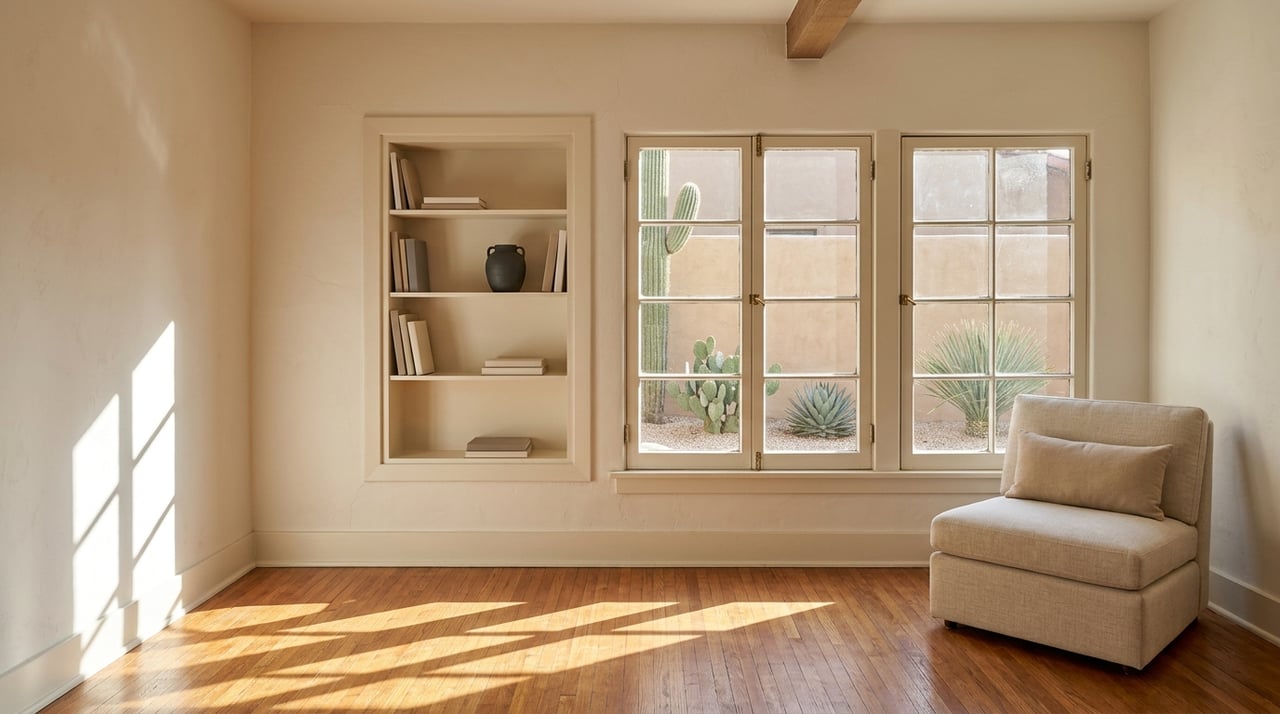
If you own a historic home in Central Tucson, it can be tempting to fix everything before you sell. In most cases, that is not the best move. Buyers drawn to historic homes are often looking for original character, thoughtful care, and a house that still feels true to its era. The goal is not to make your home look brand new. It is to make it feel well-kept, clear, and easy to understand. Let’s dive in.
Start With Historic Status
Before you plan repairs, painting, or exterior updates, verify whether your property is in a historic overlay or district. City materials identify several Central Tucson areas with historic relevance, including Armory Park, Barrio Historico, El Presidio, Fort Lowell, and West University.
That first step matters because local review rules may apply to exterior work. The City of Tucson says MapTucson is the current source for historic layers, and parcel-level verification is the safest way to confirm what applies to your home before you set a budget or timeline.
Why parcel verification comes first
City materials are not perfectly consistent on the total number of historic preservation zones, which makes parcel-level research especially important. If you assume the wrong status, you could misjudge timing, cost, or what kind of changes are allowed.
For sellers, that means checking the parcel before promising updates to buyers or scheduling contractors. It is a small step that can prevent larger problems later.
Know what can trigger review
If your property is in an HPZ, exterior changes require design review even when no building permit is needed. The city also requires historic approval before demolition of any building or structure that is 50 years or older.
If your home is in downtown historic areas, exterior alterations may also be reviewed under standards tied to national rehabilitation guidance. In practical terms, exterior work on a historic home should never be treated like a routine cosmetic project.
Repair Before You Replace
The strongest pre-listing strategy for most historic homes is simple: repair what matters, stabilize what is worn, and avoid removing original materials unless you truly have to. Preservation guidance supports this approach by emphasizing repair over replacement and protecting the features that convey architectural and historic value.
That matters in Central Tucson, where original materials often help explain why a home feels special. A repaired historic window, original front door, or intact porch usually tells a better story than a generic new substitute.
Focus on character-defining features
When deciding where to spend money, start with the features buyers notice first. In many historic Tucson homes, that includes:
- Windows
- Doors
- Porches and entries
- Masonry and trim
- Built-ins
- Original wood or brick floors
- Fireplaces and hardware
- Major interior millwork and plaster details
These are often the elements that make a home feel authentic. If they are intact and presented well, they can strengthen both marketing and buyer confidence.
Use a triage mindset
Not every issue deserves the same level of investment. A smart seller-prep plan usually works room by room and elevation by elevation.
Start with repairs that improve condition and appearance without changing the historic character. Then ask what is necessary to solve the problem with the smallest visible change.
Be Careful With Windows, Masonry, and Porches
Some of the most valuable historic features are also the easiest to damage with rushed updates. That is why a lighter hand often produces a better result.
For windows and doors, preservation guidance recommends repair first, then performance upgrades such as caulking, weatherstripping, and compatible storm windows when needed. That can improve comfort without losing the look and material quality that buyers expect in an older home.
Avoid overcorrecting masonry
Historic masonry should be handled carefully. Guidance warns against abrasive cleaning or radical surface changes that can strip away texture and age.
If your home has original brick, stone, or stucco details, the goal is usually to clean and stabilize, not to make the surface look newly manufactured. Buyers can tell the difference between patina and damage, and they often respond well to materials that feel honest and well cared for.
Treat porches as assets
Porches and entry details often define the public face of a historic home. They help establish scale, shade, and architectural identity.
In Tucson, passive cooling features such as porches, canvas awnings, and wood shutters are also part of the home’s original desert logic. When they are in good condition, they should be framed as strengths, not outdated leftovers.
Keep Interior Changes Light
Inside the house, your job is to reveal the architecture, not erase it. Preservation guidance recommends retaining floor plans, room sequence, built-ins, finishes, plaster, fireplaces, hardware, and flooring that define the interior character.
That means large redesign moves are usually unnecessary before listing. In fact, subdividing important rooms or covering high ceilings can make the home less appealing to buyers who want historic integrity.
What to prioritize indoors
For most Central Tucson historic homes, the best interior prep includes:
- Deep cleaning
- Repairing damaged plaster or trim where appropriate
- Refinishing or cleaning original floors if needed
- Simplifying rooms so original features stand out
- Touch-up painting only where necessary
- Fixing visible faults that distract buyers
This kind of work helps the house feel cared for without flattening its personality. It also keeps attention on the details that make the home memorable.
What to avoid
Try not to make changes that remove the evidence of age and craftsmanship. Preservation guidance specifically warns against destructive paint-removal methods and against altering significant interior volumes in ways that change the house’s character.
If a room has original millwork, built-ins, or a strong historic layout, let those features lead. Clean, calm presentation is usually more effective than aggressive remodeling.
Stage to Reveal the Architecture
Staging matters because buyers often meet your home online first. National staging research found that 83% of buyers’ agents believe staging helps clients visualize life in a home, and 81% said listing photos are the most useful feature in the online search.
For a historic home, that does not mean filling rooms with trend-driven decor. It means editing the space so buyers can clearly see scale, light, materials, and architectural detail.
Use restraint in each room
The most effective staging approach is often the simplest one. Declutter, remove visual noise, and keep furniture arrangements easy to read.
Pay special attention to the living room, primary bedroom, dining room, and kitchen. Those spaces should feel open enough for photos while still showing how the house lives day to day.
Let original features carry the mood
If your home has built-ins, original floors, historic hardware, or a strong entry sequence, do not compete with them. Staging should support those features, not distract from them.
This is where a design-led seller prep strategy can make a real difference. Small edits in furniture placement, scale, and styling can help buyers notice what is already there.
Plan Photography Around the Story
Photography is not just documentation. It is your first showing. Since many buyers find homes online and rely heavily on listing photos, the photo plan for a historic home should be more intentional than a standard room-by-room shoot.
Lead with the elements that explain the home’s character and setting. In Central Tucson, that often starts outside.
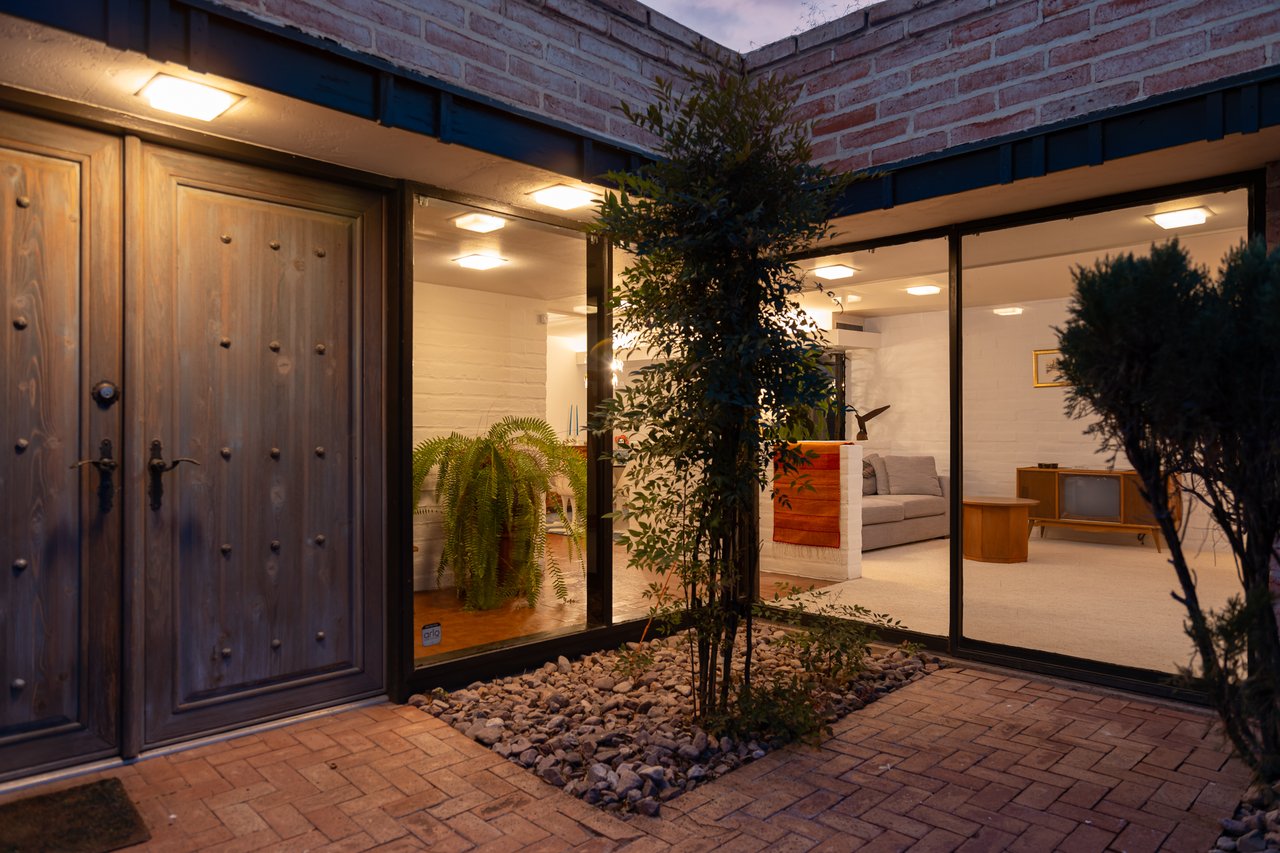
Capture the exterior honestly
Important exterior images often include:
- Front elevation
- Entry and porch
- Windows and doors
- Roofline and massing
- Masonry or stucco texture
- Courtyard or landscape elements that shape the setting
These images help buyers understand the home as an architectural whole. They also support the feeling of authenticity before anyone steps inside.
Include detail shots
Do not stop at wide room photos. Historic homes benefit from detail images that show craftsmanship and material quality.
Useful detail shots may include millwork, parquet or wood floors, plaster details, fireplaces, hardware, built-ins, doors, and original windows. These are the pieces that give the home credibility and warmth.
Tell a Factual House Story
A strong historic listing does more than look good. It gives buyers a clear, factual narrative about what has been preserved and why the home matters.
That story does not need to be long. In many cases, a short and accurate summary is more effective than a dramatic one.
What your listing story should cover
Focus on facts such as:
- Which original features remain
- What repairs were completed carefully
- How the home fits its historic setting
- Where historical documentation was found, if available
City materials point owners to the Pima County Public Library and the Arizona Historical Society Archives & Library for research. That kind of documentation can help support the listing narrative and give buyers confidence that the home has been understood, not just marketed.
Why Presentation Matters in This Market
Broader Tucson market data showed 1,588 closed sales in April 2026, a median sales price of $355,000, and 2,175 new listings. While that is not specific to Central Tucson historic homes, it does suggest sellers are competing in an active environment where presentation matters.
For a distinctive property, generic prep can leave value on the table. A well-prepared historic listing is usually the one that feels clean, coherent, and true to itself.
Historic homes reward a more thoughtful approach. When you protect the features that create meaning, make selective repairs, and present the house with clarity, buyers can better see both the beauty and the value. If you are preparing a historic home in Central Tucson to sell, working with a team that understands architecture, preservation, staging, and story can help you make the right edits before your home goes live. To start the conversation, connect with Hazelbaker & Ranek.
FAQs
How do you check if a Central Tucson home is in a historic district?
- The City of Tucson says MapTucson is the current source for historic layers, so parcel-level verification is the safest first step before planning exterior work.
What repairs matter most when selling a historic home in Central Tucson?
- The best place to start is usually with visible character-defining features such as windows, doors, porches, masonry, trim, built-ins, floors, and major interior details.
Do exterior changes on a Tucson historic home require review?
- If a property is in an HPZ, the City of Tucson says exterior changes require design review even when no building permit is needed.
Should you replace old windows before selling a Central Tucson historic house?
- Not always. Preservation guidance recommends repairing historic windows first and considering upgrades like caulking, weatherstripping, and compatible storm windows before replacement.
How should you stage a historic home in Central Tucson for listing photos?
- Use a light-touch approach that declutters rooms and makes original floors, trim, built-ins, hardware, masonry, and porch details easier to see.
What should listing photos highlight in a Central Tucson historic home?
- Strong historic listing photos usually feature the front elevation, entry, porch, windows, roofline, masonry, and important interior details that show craftsmanship and character.