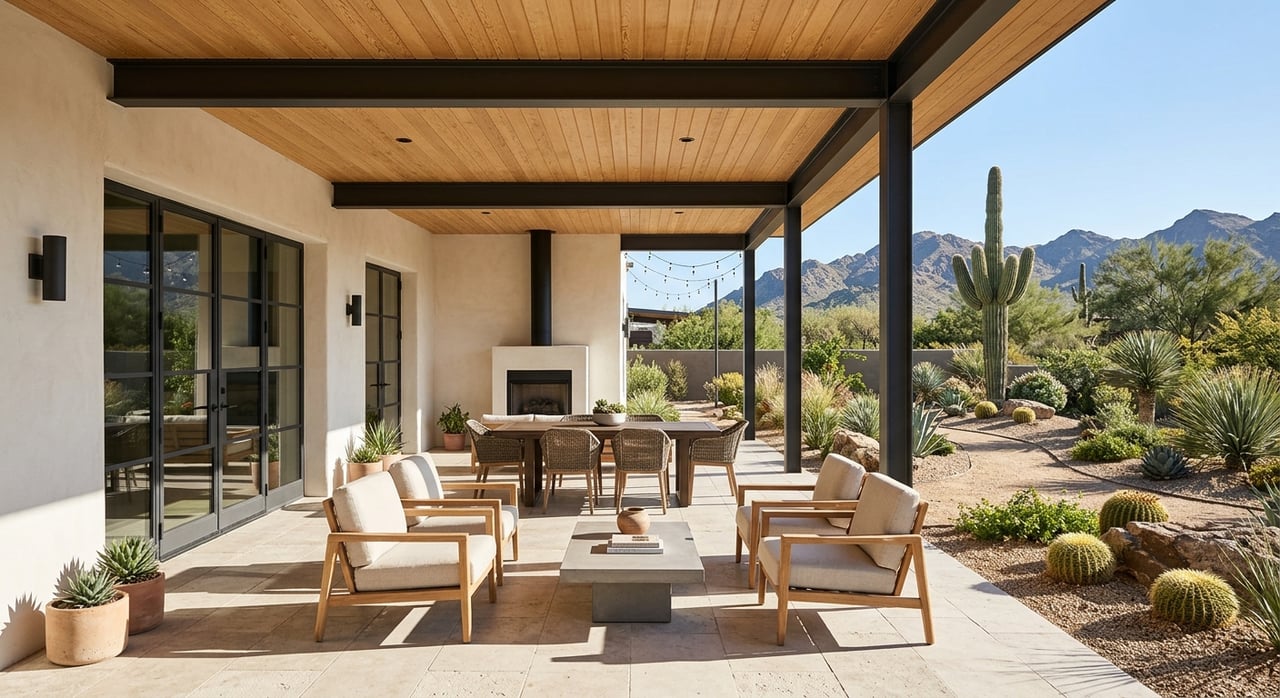
If your ideal Tucson day starts with desert light and ends on a trail, Westside Tucson is worth a close look. This part of the city gives you a rare mix of in-town access and open-space living, which can make the home search feel both exciting and a little hard to sort through. In this guide, you’ll get a clearer picture of what Westside Tucson offers outdoor lovers, what to watch for near trail corridors, and how to think about homes that connect well to the desert landscape. Let’s dive in.
Why Westside Tucson Appeals to Outdoor Lovers
Westside Tucson offers something many buyers want but do not always find in one area: proximity to both daily city life and wide desert scenery. City information describes the Westside as including historic barrio areas west of downtown, established residential areas, Old Pascua Yaqui Village south of Grant Road, and newer far-west development.
That means the Westside is not one single neighborhood experience. Depending on where you look, you may find older close-in homes, resort-adjacent areas, or lower-density properties near the desert edge. For buyers who care about both setting and access, that range is a big part of the appeal.
The larger Tucson Mountains subregion adds to that draw. The Tucson Mountains Subregional Plan describes a broad area of nearly 280 square miles intended to conserve natural and cultural resources, which helps explain why the Westside often feels shaped by the land around it rather than separated from it.
Tucson Mountain Park Shapes the Lifestyle
For outdoor-minded buyers, Tucson Mountain Park is the signature feature of the Westside. Pima County says the park covers about 20,000 acres and includes roughly 62 miles of non-motorized shared-use trails.
Those trails are open to hikers, equestrians, and mountain bikers. The park also supports picnicking and wildlife viewing, so the lifestyle here is not just about exercise. It is also about having everyday access to scenic open space.
Well-known places within the park boundaries include Gates Pass overlook, the Arizona-Sonora Desert Museum, and Old Tucson Studios. For many buyers, that creates a sense of living near a major natural asset rather than simply near a park.
Trail Access Points on the Westside
Pima County’s trailhead directory shows how many entry points outdoor lovers can use on the Westside. Public access points include Brown Mountain, Camino de Oeste, David Yetman West, El Camino del Cerro, Gates Pass, King Canyon, Painted Hills, and Richard Genser Starr Pass.
This variety matters when you are choosing where to live. Some buyers want to be just minutes from a favorite trailhead, while others prefer a little more distance so they can enjoy the landscape without being as close to visitor activity.
A home near trail access can make morning hikes, bike rides, and sunset walks much easier to fit into daily life. If that rhythm matters to you, the exact location of nearby trailheads should be part of your home search, not an afterthought.
What Homes Near Trails Can Offer
Homes near desert trails often attract buyers for reasons that go beyond square footage. In this part of Tucson, setting matters. Views, natural buffers, native vegetation, and a stronger indoor-outdoor relationship can all shape how a property feels.
City of Tucson design guidance for sensitive lands emphasizes preserving washes, hillsides and ridges, native vegetation, open space, trails resources, and scenic vistas. That planning approach helps explain why many Westside properties feel closely connected to the surrounding desert.
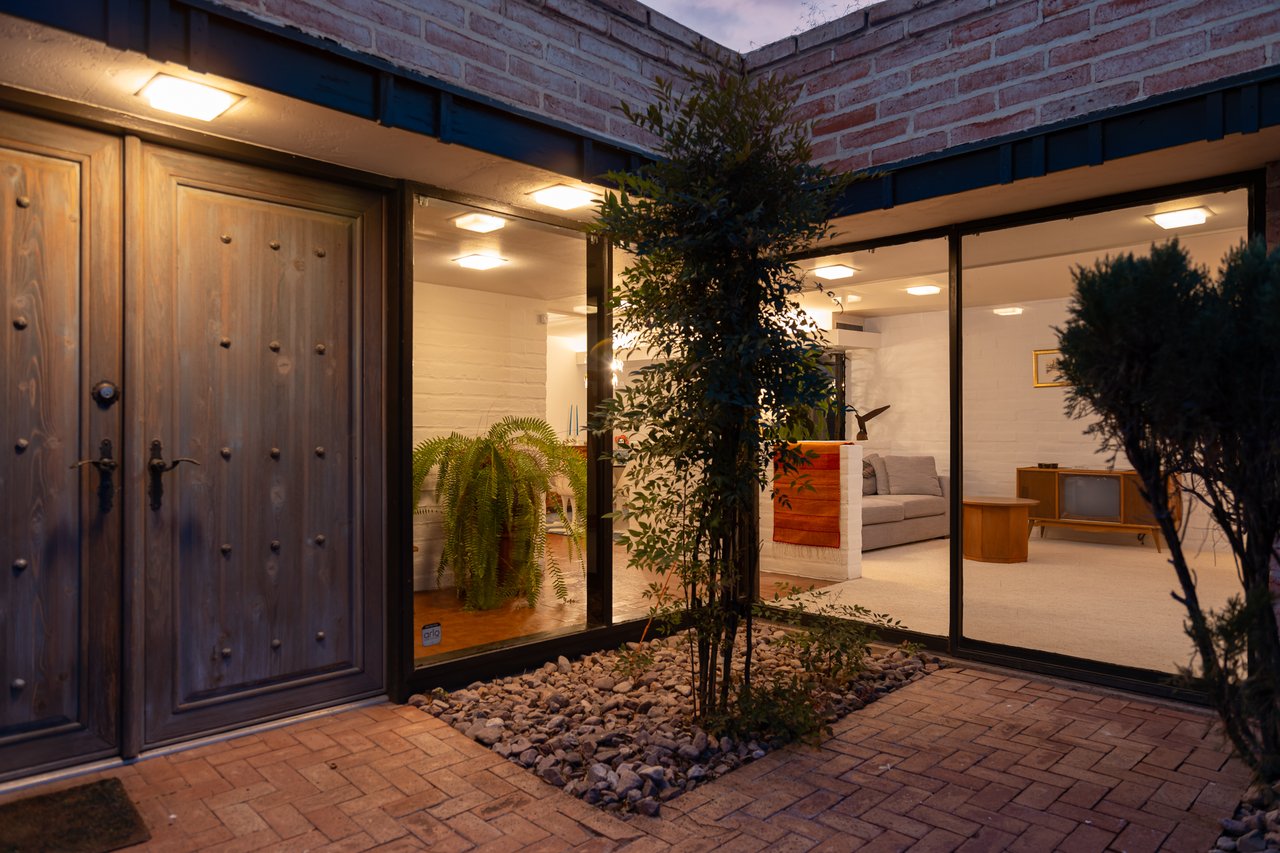
In practical terms, you may notice homes with courtyards, shaded outdoor areas, and layouts that respond to light and views. For design-conscious buyers, those elements can matter just as much as bedroom count or lot size.
Desert Design Matters in Westside Tucson
Tucson’s climate makes good design especially important. NOAA data shows an annual average high of 84.0°F, an annual average low of 57.3°F, about 10.61 inches of annual precipitation, and 68 days each year at 100°F or hotter.
Because of that, buyers often focus on features that support comfort in the desert. Covered patios, shade structures, deep overhangs, thoughtful orientation, and reduced afternoon heat exposure can all make a home live better.
City design guidance highlights elements like shaded walks, front porches, courtyards, awnings, and shade structures. On the Westside, these are not just aesthetic details. They can shape how often you use your outdoor space and how well the home responds to the climate.
The Westside Is Not One-Size-Fits-All
One of the most important things to understand is that Westside Tucson is varied. You are not shopping one uniform housing type or one consistent neighborhood pattern.
Some parts of the Westside feel closer to downtown and long-established city fabric. Others feel tied to resort development or open desert edges. That variety gives buyers options, but it also means you need to look beyond a simple map label.
This is where local context matters. Two homes may both be described as Westside Tucson, yet offer very different daily experiences in terms of access, privacy, terrain, and connection to trails.
Tradeoffs of Living Near Trailheads
Living near a major outdoor asset can come with tradeoffs as well as benefits. Homes near trail corridors often offer convenience and scenery, but they may also experience more public activity nearby.
Based on the county’s trailhead system, that can mean parking spillover, early-morning trail traffic, and occasional visitor noise. This is not true for every property, but it is worth thinking about if you want a quieter setting.
Some buyers see that activity as part of the energy of living near a beloved outdoor destination. Others prefer homes that still enjoy mountain views and desert character while sitting a bit farther from the busiest access points.
Floodplain and Wash Considerations
Desert-edge living also calls for practical due diligence. Pima County notes that washes are typically ephemeral but can become raging rivers quickly, and it also states that flood-hazard maps do not capture every area subject to flooding.
That matters on the Westside, where washes, slopes, and natural drainage patterns can be part of the landscape. If a home sits near a wash or low-lying open-space edge, you will want to verify whether the property lies in the 100-year floodplain.
If a property is in a regulatory floodplain, county floodplain rules and permits may apply. For buyers who love natural settings, this is an important reminder that beauty and drainage conditions should always be evaluated together.
How to Shop Smart for a Trail-Adjacent Home
If you are searching for a home near desert trails, it helps to look at more than photos and finishes. The best choice is often the one that balances access, comfort, and site conditions.
Here are a few smart questions to ask as you search:
- How close is the home to a formal trailhead versus a scenic open-space edge?
- Does the property orientation help reduce harsh afternoon sun?
- Are there shaded outdoor spaces you will actually use?
- Is the lot affected by a wash, slope, or floodplain concern?
- What kind of public activity happens nearby in the early morning or on weekends?
- Does the home’s design make the most of views, privacy, and desert light?
For buyers who care about architecture and setting, these questions can be just as important as price per square foot.
Why Design Insight Helps on the Westside
In Westside Tucson, a home’s value is often tied to more than the basic numbers. Layout, orientation, outdoor rooms, and the way a house sits on its site can all influence daily enjoyment and long-term appeal.
That is especially true in areas near the Tucson Mountains, where natural context can play a major role in how a property lives. A thoughtful evaluation can help you see whether a home truly fits your lifestyle or simply photographs well.
If you are drawn to homes with strong indoor-outdoor flow, architectural character, or renovation potential, it helps to work with people who understand how design and desert setting affect value. That kind of perspective can make your search more focused and less stressful.
Westside Tucson can be a compelling choice if you want the desert close, the city still within reach, and a home that feels connected to its landscape. If you are exploring homes near trails and want guidance that is local, design-aware, and practical, Hazelbaker & Ranek would be glad to help.
FAQs
What makes Westside Tucson appealing for outdoor lovers?
- Westside Tucson offers access to Tucson Mountain Park, multiple trailheads, desert views, and a mix of in-town and desert-edge living.
What trail options are available near Westside Tucson homes?
- Pima County lists west-side access points including Brown Mountain, Camino de Oeste, David Yetman West, El Camino del Cerro, Gates Pass, King Canyon, Painted Hills, and Richard Genser Starr Pass.
What should buyers know about homes near Tucson Mountain Park?
- Homes near the park may offer easier trail access, scenic surroundings, and stronger indoor-outdoor living, but some areas may also have more visitor activity, parking demand, or trail traffic nearby.
What design features matter in Westside Tucson’s desert climate?
- Buyers often look for shaded walks, courtyards, porches, awnings, shade structures, and orientation that helps reduce heat exposure, especially with many days each year reaching 100°F or more.
What floodplain issues should buyers check on the Westside?
- Buyers should verify whether a property lies in the 100-year floodplain and pay attention to nearby washes or drainage patterns, since desert washes can change quickly during storms.
Does Westside Tucson feel remote?
- Not necessarily. City information describes the Westside as a diverse area that includes historic barrios, established neighborhoods, and newer far-west development, all with access to the Tucson Mountains as a natural backdrop.